Wednesday, July 5, 2017

Summer Fiction and Fantasy or Beach Reading for Kids


Who Wants to Be a Princess? By Bridget Heos, Illustrated by Migy
 
A fictional princess from the middle ages shows and tells the differences between fairy tale princesses like Cinderella and Snow White and a real medieval princess. Some of the dialogue is tongue in cheek, like when she describes the mess made in the dining hall by the bones, grease and crumbs that fall on the floor and are not cleaned up. “Rats are everywhere. We’d prefer they leave, but what can we do? (Other than tidy up, I mean.)” Each two page spread shows what it’s like in modern fairy tales for princesses and contrasts that with how a princess in the middle ages actually lived. Colorful, entertaining and informative.

Princessland by Emily Jenkins, Pictures by Yoko Tanaka
 
This is a perfect companion book for Who Wants to Be a Princess? (See above) Romy wants to visit princessland and as she describes what it is like in Princessland, her Lady Cat goes along with her turning her imagination into reality. Only Romy’s idea of what it is like in Princessland is just like the fantasy that is debunked by Heos! Read them together to discuss the similarities and differences or read this one alone for a little bit of pure fantasy time!

Princess Tales Around the World Adapted by Grace Maccarone, Illustrated by Gail de Marcken
 
Maccarone has taken ten stories of princesses from various places in the world and retold them in rhyme. de Marcken adds to the charm with colorful, intricate illustrations retelling each story again with art. On each page, there is a list of objects to find that may or may not be important to the story. Adults and children alike will be enchanted with these stories that originate in Persia, India China, England and other parts of Europe. This book is worth it just for the illustrations!

DC Super Friends: Girl Power
 
 A simple book to advertise the women in DC Comics may help to counteract all the princess books!

Go Big or Go Gnome by Kirsten Mayer, illustrated by Laura K. Horton
 
The pun in the title gives a premonition about how this story will progress: it begins with a silly premise and gets sillier as the story progresses. But, Mayer and Horton make a great team and the silliness is fun the gnomes are all so nice to one another, it makes me want to live in gnome-land. Poor Al does not have a beard like all the other gnomes, and wants to participate in the B. I. G.: Beards International Gnome-athon. Read to find out how he gets to not only participate, but win a trophy. For once, I was not concerned that all the characters were male!

Two from the Adventures in Cartooning
Hocus Focus by James Sturm, Andrew Arnold and Alexis Frederick-Frost
 
Ogres Awake! By James Sturm, Andrew Arnold and Alexis Frederick-Frost
 
The continuing saga of the Little Knight and Edward his horse. In Hocus Focus, the Little Knight cannot wait to learn magic and messes up a potion, turning Edward into a monster worm. In Ogres Awake! Little Knight is excited and scared about the ogres sleeping on the castle lawn. Every step of the way, he misinterprets the reason for the making of potato stew. In reality, the King and his minions have decided to feed the ogres when they awake to prevent damage to the kingdom. Each story is told with cartoon panels moving the story forward and the end papers give drawing lessons for drawing Little Knight, Edward and other characters from the stories.

The Cow Said “Meow” by John Himmelman
 
Using cartoonish drawings and a few simple words in word balloons, Himmelman tells a story with humor and irony. This would be a perfect picture book to use when teaching inference! And the teacher could ask: what were the animals thinking? Loveit!

Mac and Cheese by James Proimos
 
This falls under the category of: What? You published a book about what? Here goes: Mac and Cheese are characters who meet others throughout their day like P. B and Jay, and Oil and Water. They go through a day having an inane conversation about a myriad of things; in fact, they sound like two grade schoolers jumping from topic to topic. You may love this book and it’s mindless chatter, or you may feel like I did: What?

Ned the Knitting Pirate by Diana Murray, illustrated by Leslie Lammle
 
No two ways about it, Ned likes to knit and the captain hates a knitting pirate. Murray uses rhyme to tell this story that includes a captain with a wooden leg and a hook, tough as grit pirates, a Rusty Heap for a boat, and a sea monster that “cannonballs bounced off his sides as if his skin was Jell-O.” In other words: all the ingredients for a story about pirates, including the ubiquitous, “Yarrrrh!”

A Unicorn Named Sparkle by Amy Young
 
A mail order unicorn for 25 cents? A fantasy of a unicorn is contrasted with the mail order animal that looks and acts like a goat! Lucy is expecting one thing and gets another. While she initially wants to send back the ornery unicorn, she eventually sees that the unicorn she got is the one that is perfect for her. Is this a metaphor for life?

Wednesday, June 21, 2017

Nonfiction for summer reading


We often think of summer time as a chance to catch up on fiction reading. But, it is also a great time to share nonfiction with children. They love to learn and rather than give their brains a rest in the summer, it's always good to challenge them and give them more to think about. Here is a selection of some outstanding nonfiction. Have fun!

Moon Bears by Mark Newman
 Moon Bears
Moon bears are a species of bear found in most of Asia. This beautifully photographed book taught me many things about moon bears, using real animals in both the wild and within a protected area. While moon bears are cute and look pretty cuddly, they are huge (up to 500 pounds), fast and have claws as long as 2 inches, not an animal I would like to meet on my own. If your child is interested in animals, this is a perfect book for her. And if you want to teach nonfiction writing this year, think about getting this book as a model text for doing reports.

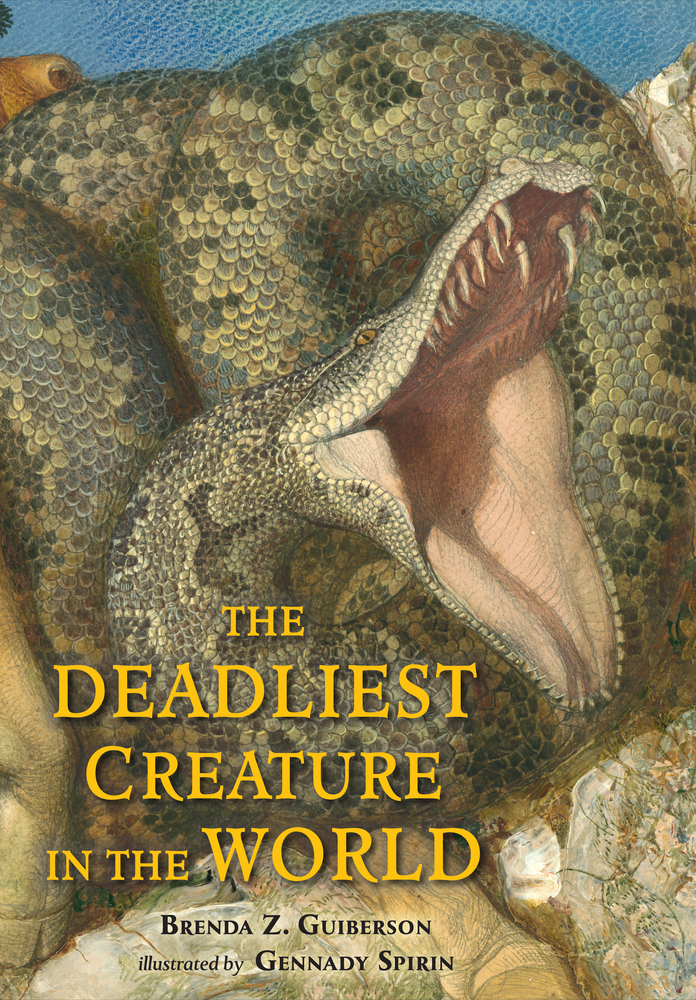
The Deadliest Creature in the World by Brenda Z. Guiberson, illustrated by Gennady Spirin
 The Deadliest Creature in the World
Which is the deadliest creature in the world? Guiberson used first person from multiple animals’ point of view to describe how they can kick, bite, poison and spread disease, ending each small segment with, “That’s why I am the deadliest creature in the world!” Spirin draws realistic pictures showing the animal in question as well as surrounding background to give perspective as to the size and environment of the creature. Kids of all ages will LOVE this book!

One Proud Penny by Randy Siegel and Serge Bloch
One Proud Penny
 Not technically writing in nonfiction, Siegel gives us  a narrative told by a penny. But, for the most part, the story is based on facts and both the words and pictures combine to make an interesting story, as we follow the penny across the US and into and out of stores. The authors finish with a final page of a brief history of coins in the US as well as facts about pennies. They even discuss the controversy of whether or not we should continue to use pennies. So, go for it, follow the bouncing penny and make sure you get your money’s worth!

 Germs by Lesa Cline-Ransome, Illustrated by James Ransome
Germs

Again, not truly non-fiction as the story is told by talking bugs, but, this is a great way to introduce children to the germs around them, both good and bad. And as Cline-Ransome states at the end, the ulterior motive is to get kids to wash their hands! James Ransome (husband to the author) comes through with his typically wonderful illustrations and ensures that the human characters are black, brown and white with several shades in between. The endnotes include facts about germs as well as a glossary of terms used within the book. Another good one to have on the shelf for report writing.

Pedal Power by Allan Drummond
 Pedal Power
Following on the heels of Energy Island, Drummond brings us a story of green energy, how bikes won the day in Amsterdam. As I write this, another cyclist in Baltimore has been killed and it makes me wonder what it will take to make it safe to ride bikes in Baltimore and other cities in the US. Drummond puts together a wonderful mix of facts in a narrative style that is easy and engaging to read. The whimsical illustrations are just right for the topic and also act to pull the reader in. While the topic is one that older readers will relate to, it is told in a way to grab even reluctant readers. Give it a go!


For younger readers of nonfiction


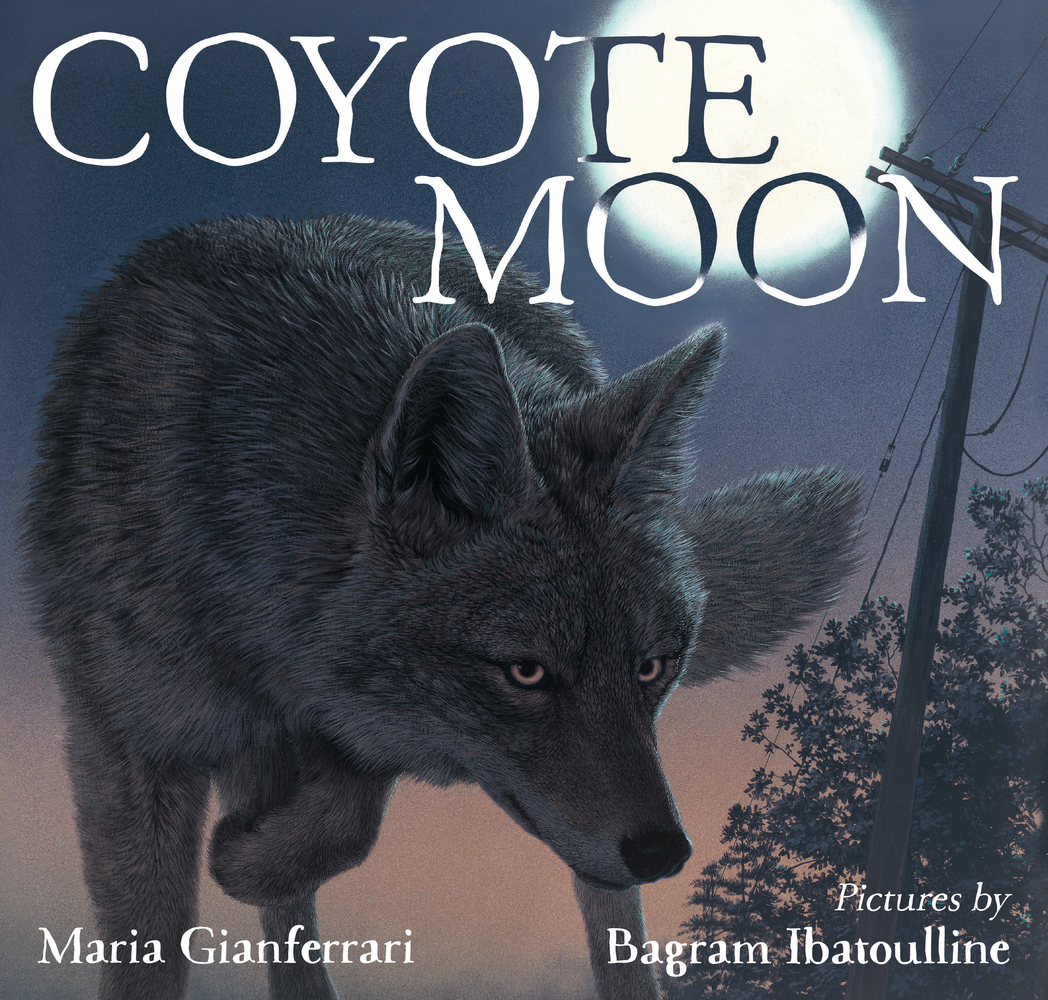
Coyote Moon by Maria Gianferrari, Pictures by Bagram Ibatoulline
Coyote Moon
While told in a fictional style with the Coyote the main character in this third person narrative, this gives factual information about Coyotes and their potential prey within a somewhat suburban setting. As the story moves forward, Coyote eventually catches a turkey which becomes dinner for her family. Pictures are realistically drawn, but no gore is shown as Coyote gets the turkey home to her den. A realistic view of wildlife living close to humans; the book also contains end pages with great additional information about coyotes.

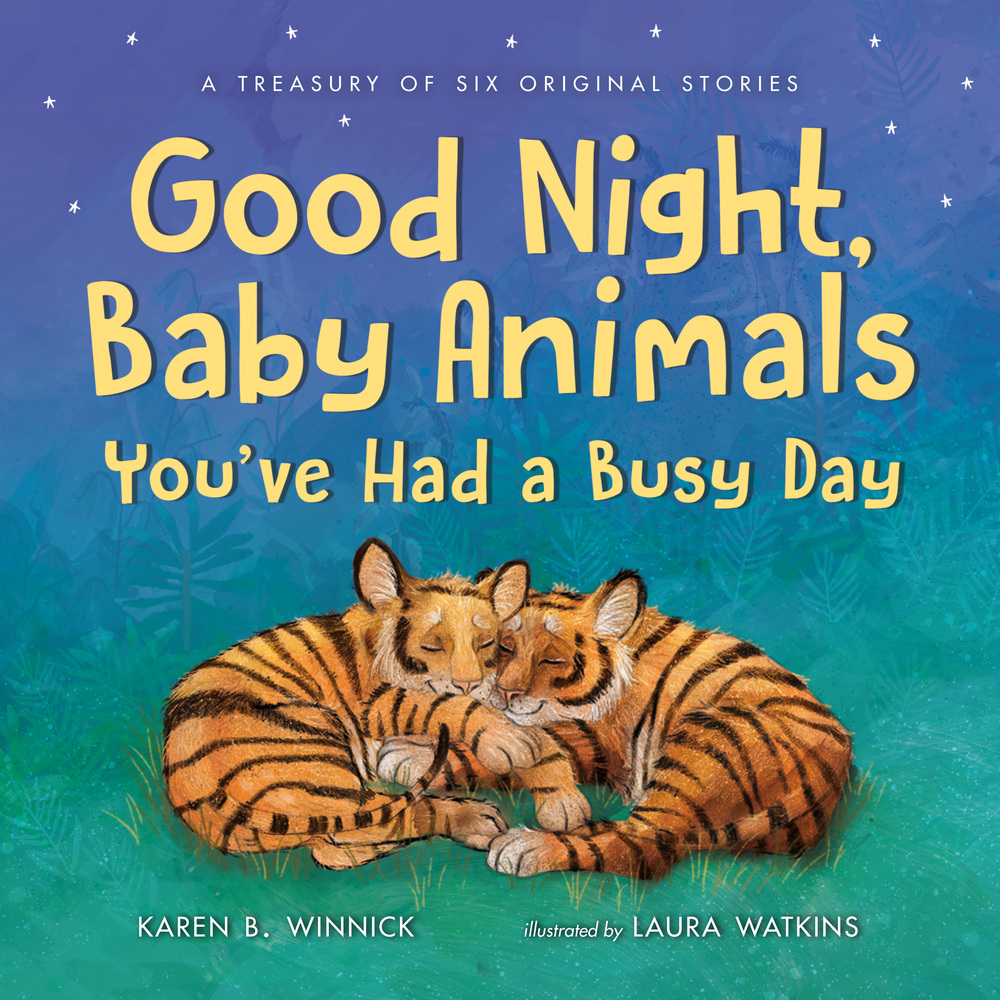
Good Night, Baby Animals: You’ve had a Busy Day by Karen B. Winnick, 
illustrated by Laura Watkins
Good Night, Baby Animals You've Had a Busy Day
Six short stories about baby animals and their mothers. While the illustrations are mostly realistic, the animals’ faces are slightly anthropomorphized, showing primarily human emotions of happiness and surprise. Winnick does a fair job of alternating gender for the babies, with two baby animals being female, three male and the tiger cubs are spoken of together as they. Each story ends with the sentence, “Good night, baby X, you’ve had a busy day.” Throughout the book, there is much repetitive language, making this a good book to support early readers. Winnick ends the book with additional facts about each of the six animals featured here.

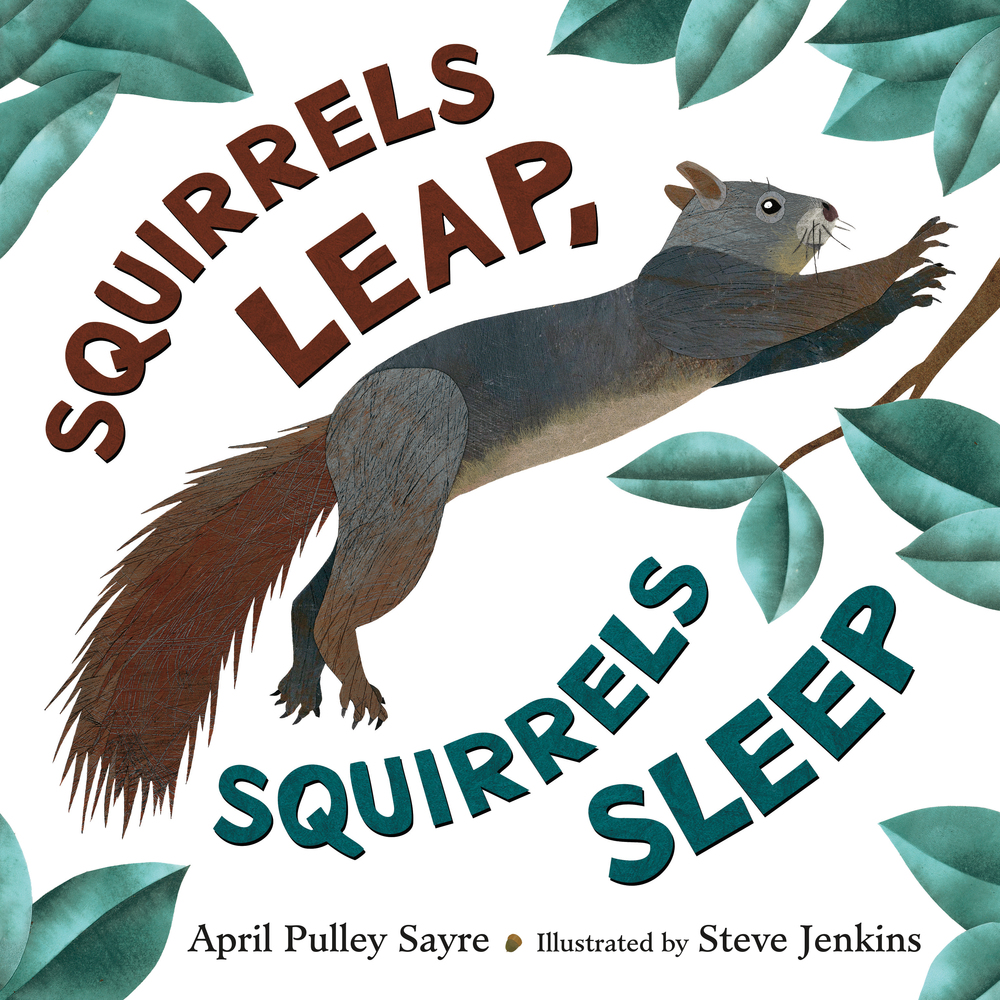
Squirrels Leap, Squirrels Sleep by April Pulley Sayre, Illustrated by Steve Jenkins
Squirrels Leap, Squirrels Sleep
Steve Jenkins is one of the absolute best children’s illustrators of nonfiction books ever! Sayre’s text is fun, rhyming and easy to read and Jenkins’ pictures work with the text to make this a great book! There is always interesting movement in the squirrels shown here and Jenkins adds the dimension of size, always giving additional objects to show perspective. Sayre ends the book with more facts about squirrels, making this an excellent book for young people to use when writing reports.


Thursday, June 8, 2017

Books for Summer Dreaimng


What are you doing this summer? I hope you are finding time to read with your children and grandchildren. These books are all about playing, walking and dreaming. Whether you are looking at the clouds to find creatures in the sky, talking to the moon, or sharing a hide and seek game, these books will help you to enjoy the slower pace and quieter times of summer vacation. Have fun!

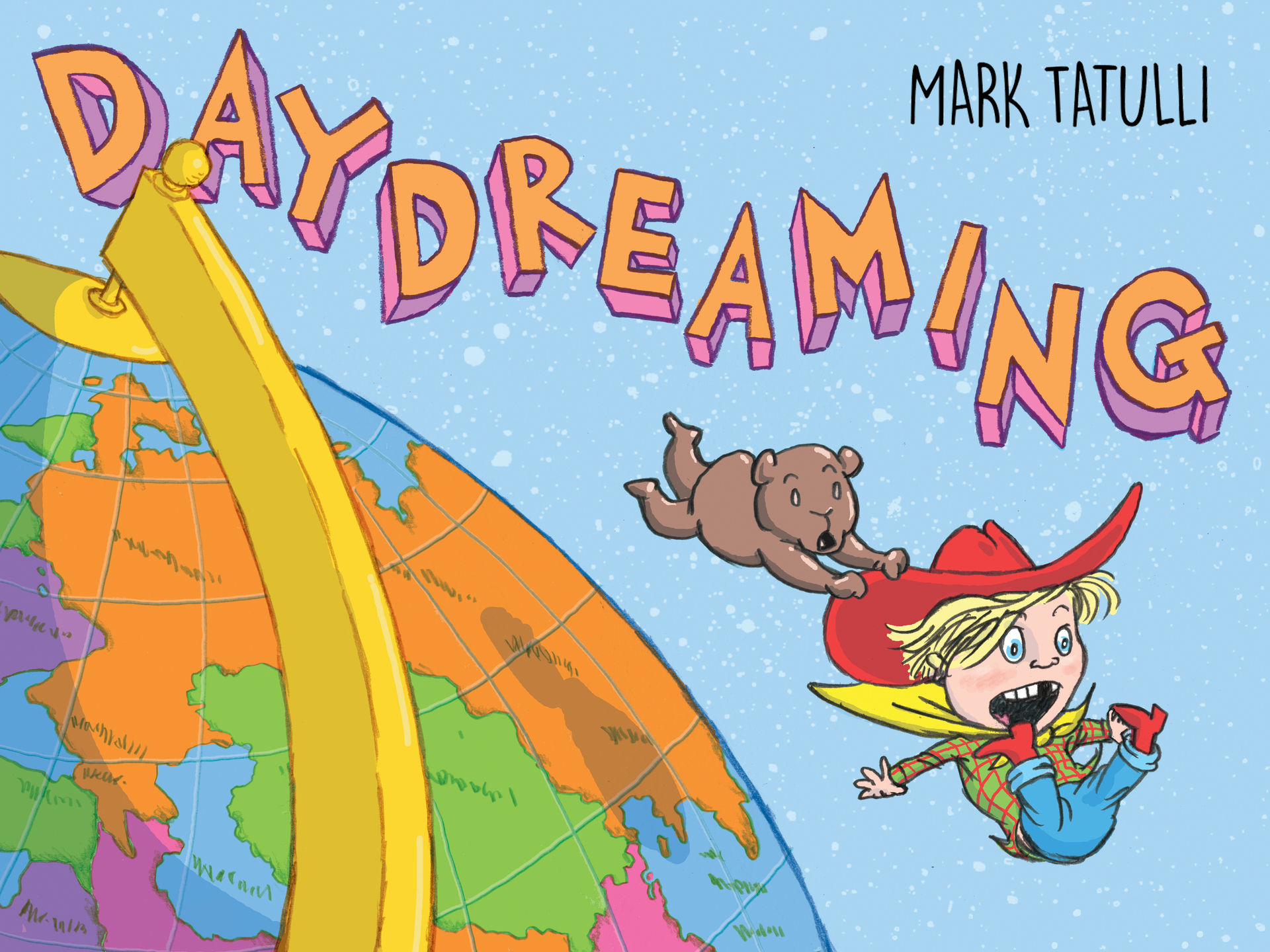
Daydreaming by Mark Tatulli
Cover Image
Are you a daydreamer? Do you find yourself in another world when you should be paying attention? Henry is a confirmed daydreamer, taking the reader on several adventures in one typical, exciting day. Tatulli uses a combination of comic-type frames along with full page spreads to tell the stories of Henry’s daydreams, using words only in word bubbles when the adults around him chime in to chastise Henry. If you have a daydreamer in your house, you will love Henry as much as I do!

In Plain Sight by Richard Jackson, illustrations by Jerry Pinkney
Whether you have great memories of playing games with your grandparents, or are now in the process of making memories with your grandchildren, this is a super read. Sophie’s grandfather sits by the window each day watching for her to come home from school. When Sophie arrives, Grandpa always has a hidden object ready for Sophie to find. The sweet interaction between grandparent and grandchild is cleverly told and beautifully illustrated. Pinkney does an outstanding job with each two page spread giving details of the home and artfully including the many faces and expressions of Sophie as she goes along with her grandfather’s game. Children may also want to play along trying to find where each item is hidden before Sophie reveals the hidden object.

Ideas are all Around by Philip C. Stead
 
Taking a walk with his dog, Wednesday, Stead finds wonder and worries everywhere he looks. From the people lined up to get something to eat to the blob of blue paint that looks like a horse, the narrative seems to be in control of Stead instead of the other way around. As always, Stead’s illustrations are superb, with a combination of photos, drawings, outlines and prints, the flat colors smudged type give a sense of peace and slowness, perfect for summer, perfect for slowing down and thinking about ideas. Enjoy this take on a slow summer walk.

The Mouse and the Moon by Gabriel Alborozo
A new fable about friendship told with dazzling illustrations. Alborozo tells his tale with black and white inked drawings with only the tiniest bit of color on each page. A little mouse sets out to find his friend the moon. When he finally gets close to the moon, a reflection in a pond, he spends all night conversing with a small fish, thinking it is the moon. Only when the moon vanishes and the two new friends see each other for the first time do the illustrations become more colorful with the black and white receding just as the daylight arrives. This book is a well told story with aesthetically pleasing illustrations. My only complaint is that both the fish and the mouse are given male pronouns. Why can’t one or both of them be female? Just food for thought.

Bathtime with Theo and Beau by Jessica Shyba
Theo and Beau are back for more, after their debut with Naptime with Theo and Beau. Shyba’s beautiful photography captures the playfulness of bathtime with a puppy and three-year-old Beau. Simple words and full page spread pictures make this another winner. Great book to share with any toddler who is reluctant to bathe!

Turtle Tug to the Rescue by Michael Slack
A sea turtle turned into a tug boat ready to rescue all manner of marine creatures, Turtle Tug is resourceful, strong and brave. And to top it off, Slack uses exemplary vocabulary to rhyme his way through the story of the typhoon, the rescue and the calm waters that return after the storm. Treacherous, tempestuous and entangled are just a few of the five star words that are introduced in context and with great excitement throughout this simple picture book. Great read for any early childhood class that is studying sea animals, rescue work or even just community helpers.

Lucy’s Lovey by Betsy Devany, illustrated by Christopher Denise
Lucy has many dolls, but only one special Smelly Baby. Smelly Baby is lost and then found and eventually restored to her best smelly self, making Lucy happy. Devaney gives this familiar story too many details, making a short tale into one that drags, while the details in  Denise’s illustrations are just right, down to the shadows in the dark and Lucy’s tangled hair as she leans out the car window. Lucy’s Lovey is a sweet story but not as endearing as others of the same ilk, such as Knuffle Bunny by Mo Willems.


Thursday, May 11, 2017

More books about friendship

Are you noticing a pattern here? As I read through the new picture books, I see so many that have a theme of friendship. And why not? Friendship is one of the most important concepts we can learn as young children, and for so many of us these early friendships can last a lifetime. For all my friends and their children and grandchildren, I hope these books will remind you of the power and love we get from our friends.

Love Monster and the Scary Something by Rachel Bright
Love Monster returns. This time he is trying to go to sleep and has completed all his before-sleep rituals, but nothing is working. He hears the scariest sounds and imagines the most frightening monster coming up his stairs. But, what is it coming to get him? Read and find out!

Samson in the Snow by Philip C. Stead
Words cannot really describe the illustrations in this book. Stead tells the story of a mastodon names Samson and his unlikely friendship with a red bird and a little grey mouse. Bright yellow and red are used in the fantastic illustrations of this story of friendship. I love this book and hope to share it with some children soon to see what they think of it.

Cat Nap by Toni Yuly
Kitten wants to play and Cat wants to nap. After a long game of hide and seek, both finally get to take a nap. Simple line drawings are filled with bright colors in a way that makes the reader think, “I could do that!” But, of course we could not do it so masterfully. A nice simple story of friendship.

Big Cat, Little Cat by Elisha Cooper
When the little cat comes into the big cat’s life, the big cat shows Little Cat the ropes, how to be and how to do;   they exist together for many years, until Big Cat grows old and dies. A wonderful circular story of pets, or are the cats substitutes for people? Many complexities from this simply story. Cooper likes to write about cats and she does so fantastically!

Little Bot and Sparrow by Jake Parker
Who would have thought a robot and a sparrow could be friends? In Parker’s imaginative tale, this is just what happens. As with Big Cat, Little Cat, the more experienced friend (sparrow) teaches the other (Little Bot) the ways of the world and the seasons come and go as the friendship waxes. How to be a friend would be another good title for this sweet and unusual book.

Sunday, February 26, 2017

Newbery Winners 2017


Newbery Winners for 2017

This year’s Newbery Winners seem to have a common theme. In general, the winners of this award can be all over the place with books of different genres and formats. And this year is no exception. A poetic picture book, a fantasy with witches and swamp monsters, another fantasy based on medieval France and a novel of historical fiction seem to have little in common. Yet, they all focus on oppression and in three of the books, the focus is on how children can work to overcome oppression. In fact, only in the magical fantasy book do the children have adult models of how to work against oppression.
Did these four books with these themes of oppression in common just happen to be published in this year? Did the Newbery committee choose these books because of the theme and what is happening politically in our country? Or is it all just a coincidence? It’s hard to say. But, either way, we have four beautifully written stories to share with all the children in our classrooms. And we can help them see the models in these books as a way to fight oppression in our own age. 
 

Another thing these books have in common is that they are all fantastic, which is what you would expect of Newbery winners. Yet, they are all fantastic in different ways. In The Girl Who Drank the Moon by Kelly Barnhill, a small village sits on the edge of a forest waiting in dread for the Day of Sacrifice which comes every year. The youngest baby is taken by the elders and left in the forest as a way to appease the evil spirits within. Yet, it turns out the evil spirits are those within the village and each year Xan, the good witch, takes the baby that is left as a sacrifice and finds a home for it. She often puzzles over the practice of leaving a baby to die at the hands of the beasts that roam the woods, but she does not hesitate to save the baby. On the year that Luna is born, Xan accidentally feeds her from moonlight rather than starlight and this sets in motion the beginning of the end, a tale that runs out when Luna is just shy of her 13th birthday. Barnhill writes of a magical world with good and evil clearly separated and manages to depict within this world the evils of greed, selfishness and government that oppresses the poor and poorly educated. All this, and she tells a story that spins tighter and tighter as the days tick down to what could be the end of this world.


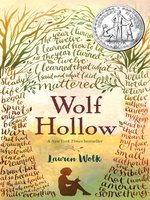
Wolf Hollow by Lauren Wolk gives us a story set in rural Pennsylvania during World War II. Annabelle’s family is not rich, but they are well-off and comfortable within their community. They are also kind and compassionate toward Toby, a WWI soldier who suffers from shellshock, who camps out in an old mill on their property. Wolk weaves a story of bullying, discrimination against both Toby, who is disabled, and the local German peddler; and self-determination on the part of Annabelle, who must make some difficult decisions about how and when to judge others. Many have compared this story to To Kill a Mockingbird and while this is a positive comparison, I feel that it stands on its own because of the strong character development and the integrity of its themes.

Another magical tale was written by Adam Gitwitz, The Inquisitor’s Tale: Or, The Three Magical Children and Their Holy Dog, but he bases this story on realistic events of persecution of the Jews in medieval France. The three children, Jeanne, William and Jacob all have some magical powers and they all stand up for the rights of others. In the climax of the story, the three children risk their lives to save the life of the Queen mother who has foolishly ridden her horse into a sea of quicksand. Queen Blanche, a character based in history, has spent her life persecuting Jews (Jacob), peasants (Jeanne) and Saracens/Africans (William), yet these children cannot stop themselves when she is drowning. A touching tale, told from many different perspectives, gives children and adults words to talk about persecution and oppression. 


Finally, Ashley Bryan has written and illustrated Freedom over Me: Eleven Slaves, Their Lives and Dreams Brought to Life by Ashley Bryan. This short picture book includes poems and drawings depicting the lives of 11 slaves who were sold at auction in 1828. The slaves’ narratives both brief descriptions of their lives and dreams they have for better (non-bondaged) lives are each accompanied by colorful depictions of their faces and their visions. Bryan has researched to present these slaves in a realistic way, not glorifying slavery, yet honoring those who found themselves oppressed by their fellow man. A great tool to show children a part of our history that we must not forget.


Wednesday, January 18, 2017

A little light reading for the cool winter nights!


Hedgehugs and the Hattiepillar by Steve Wilson and Lucy Tapper
Hedgehugs and the Hattiepillar
The hedgehugs are back. Horace and Hattie do everything together. They play games and watch nature; they like to try experiments! After watching a caterpillar go through the metamorphosis into a butterfly, they decide they want to change into something beautiful that can fly as well. So, they do!

How do you say? Como se dice? By Angela Dominguez
How Do You Say? / ¿Cómo Se Dice?
English/Spanish vocabulary with two friendly giraffes. Although there is only one word in English and Spanish on each double page spread, the illustrations and progression of the words tells a story of friendship. An excellent addition for any early childhood classroom with Spanish speakers.

First Light, First Life by Paul Fleischman, illustrated by Julie Paschkis
First Light, First Life
Fleischman and Paschkis have developed this book as a companion to Glass Slipper, Gold Sandal: A Worldwide Cinderella. Following a similar format, this picture book tells the creation story through an amalgam of traditions, including three sections: In the beginning, or how the earth was created; The making of humans; and What happened after the creation of humans. Each of these sections includes at least six creation stories from various places around the globe. Common themes throughout are use of mud/earth/water to create humans and either a fire or flood that destroyed much of the population after a period of time. I found this extremely informative for an adult, yet still engaging for young children. The illustrations are based on folk art traditions from around the world and draw the reader closer to the text.

Hand in Hand by Rosemary Wells
Hand in Hand
Rosemary Wells is well known for her picture books depicting gentle and outgoing animals in bright colors. Hand in Hand gives us an ode to motherhood: “Be my teacher from day one./Be my sky, my moon, my sun.” Simple poetry opining over a mother who is a child’s first teacher accompanies illustrations of the mother rabbit and her little rabbit growing tomatoes, learning to walk, to read and to talk. While the text is written as if the young rabbit is speaking, it is not really what a young child would say to her mother. The endnote is also somewhat didactic, although giving a very positive message. The illustrations are engaging and thoughtful.

How to Build a Snow Bear by Eric Pinder, pictures by Stephanie Graegin
How to Build a Snow Bear
Pinder returns to his theme of Thomas and his little brother, who pretends to be a bear. When a big snow comes, Thomas is excited to make a snowman, but has a hard time waking up his little bear. When the bear finally acquiesces to go outside, he and Thomas have a grand time building a snow bear, sledding on the hill, and making a snow cave. Once again, Pinder has depicted the love between two brothers in a sweet, yet not saccharine way. What fun it is to be a child in Pinder’s imagination!

Puppy by Keith Graves
Puppy!
Told tongue in cheek, this story introduces cave boy Trog who wants a puppy. When he brings home an unidentifiable baby monster, he does everything to make his “puppy” happy and welcome into the family. But, nothing helps, the “puppy” continues to eat everything in sight and cry all day and all night long. Trog’s adventures with his pretend puppy will entertain young and old and Grave’s illustrations will keep a smile on your face. Pay particular attention to the facial expressions of all involved. Perfect!


Monday, January 9, 2017

Winter Books to Push the Blues Away


If you are feeling to cold and that let-down after the holidays, check out a few of these brilliant books, read to yourself or to the little ones in your life, and maybe have a cup of tea from your samovar!

Walking in a Winter Wonderland by Felix Bernard and Richard Smith, illustrated by Tim Hopgood
Changing the words only slightly from the original song, Tim Hopgood has turned this popular winter song into a family adventure in the woods. With brilliantly designed snowflakes, trees and birds peeking out of the woods, this lush representation of a favorite winter song makes us all want to sing along.

Everyone Loves Cupcake by Kelly DiPucchio, pictures by Eric Wight
Metaphorically speaking, that is. Cupcake will do anything to get the other pastries to love her. When she can’t win everyone over, she finally heeds the advice of Fortune Cookie: Be true. Be YOU! When she confesses her shortcomings, the other pastries do as well, leading to my favorite lines of the book: Cheesecake says “I don’t really like New York.” And the donut admits, “Sometimes I feel empty inside.” Enjoy a little fun while helping children learn how to make friends.

A Boy, a Ball and a Dog by Gianna Marino
A simple story of a boy throwing a ball to his dog, with the dog always catching it, until one day, the wind catches the ball (an orange balloon) and blows it out over the sea. Told through a combination of stunning pictures and simple text, the reader follows the balloon out over the sea and back again. Marino has mastered both the use of color and the use of a simple phrase. Even if you don’t have a boy to share this book with, you will love it!

Ninja! Attack of the Clan by Arree Chung
Ninja is back, joined again by his family. What happens when everyone is too busy to play with him, even baby sister? Complete with hide and seek, the kiss of death and a “licking” by little sister, this story is perfect for families who are often too busy to pay attention to each other as they should.

Fairy Friend by Sue Fliess, illustrated by Claire Keane
Using rhyme, Fliess tells how to catch a Fairy while Keane uses soft colors, exaggerated facial expressions and reflected light to illustrate both the fairies and the child chasing them. This magical book will captivate any child’s imagination and if you have a child who loves fairies already, that captivation will be even more enchanted.

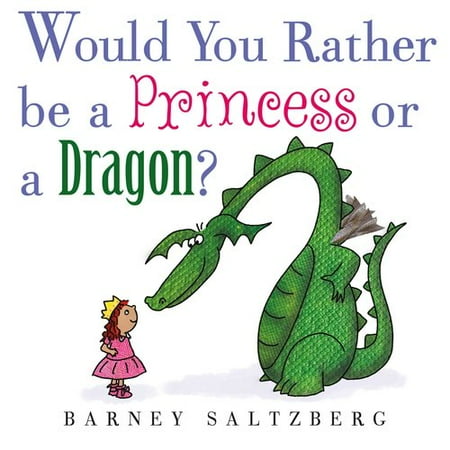
Would you Rather be a Princess or a Dragon? By Barney Saltzberg
Rhyming couplets describe the difference between a princess and a dragon. “If you want to be a princess, / practice walking straight and tall./ If you want to be a dragon/ practice bouncing off the wall.” Saltzberg gives both the princess and the dragon delightful expressions and exuberant personalities. After reading this, I want to be a princess and a dragon.

Grandmother Fish: A child’s First Book of Evolution by Jonathan Tweet, illustrated by Karen Lewis. 
https://ksr-ugc.imgix.net/assets/011/700/180/f0e9d77b03a55e9c02a842b70dc8e12a_original.png?w=1024&h=576&fit=fill&bg=F6FAFA&v=1463686968&auto=format&q=92&s=f29cace018b438e8bf2607bc2a43585e
Following the chain of evolution from a fish to a reptile to a mammal, an ape and finally a human. This is told in the simplest terms, with words and pictures that will charm the youngest child. The endnotes give more sophisticated explanations of evolution, natural selection and additional details on the animals portrayed in the book. This book provides a way to introduce children to an important scientific theory and may start them on their way to becoming scientists themselves.

Leave Me Alone! by Vera Brosgol

Combining old-world illustrations (a grandmother drinking tea from her samovar) with science fiction fantasy (stepping from a mountain onto the moon and from there into a wormhole), Brosgol has created a picture book for all ages! If you have ever felt there are too many people around you; if you have ever had too many chores to complete; if you have ever wanted just a little time and space for yourself, then this book is for you! Enjoy and in the meantime: Leave me alone!